

As temperatures drop, mice and rats shift their focus from finding food to finding shelter, and a heated home or business is hard for them to resist. A mouse can squeeze through a gap the size of a dime, which means even a well-built home usually has more potential entry points than owners realize.
The earliest signs of rodent activity are often small droppings near food storage, faint scratching sounds in walls or ceilings at night, and gnaw marks on food packaging or wiring. Rodents also leave greasy rub marks along baseboards and walls where they travel repeatedly.
Sealing gaps around pipes, vents, and the foundation, keeping firewood and debris away from exterior walls, and storing food in sealed containers all reduce the odds of an infestation taking hold. Once rodents are inside, though, DIY traps rarely address the full scope of the problem.
A thorough inspection maps out active entry points and nesting areas, so treatment and exclusion work together: removing the rodents that are already inside and sealing the building so new ones can't take their place.
Dealing with a pest problem?
Book a free inspection and get a tailored treatment plan.
Related articles

The Manitoba Homeowner's Guide to Year-Round Pest Control
Read More
Mice Removal in Winnipeg: Fast, Safe & Effective Solutions
Read More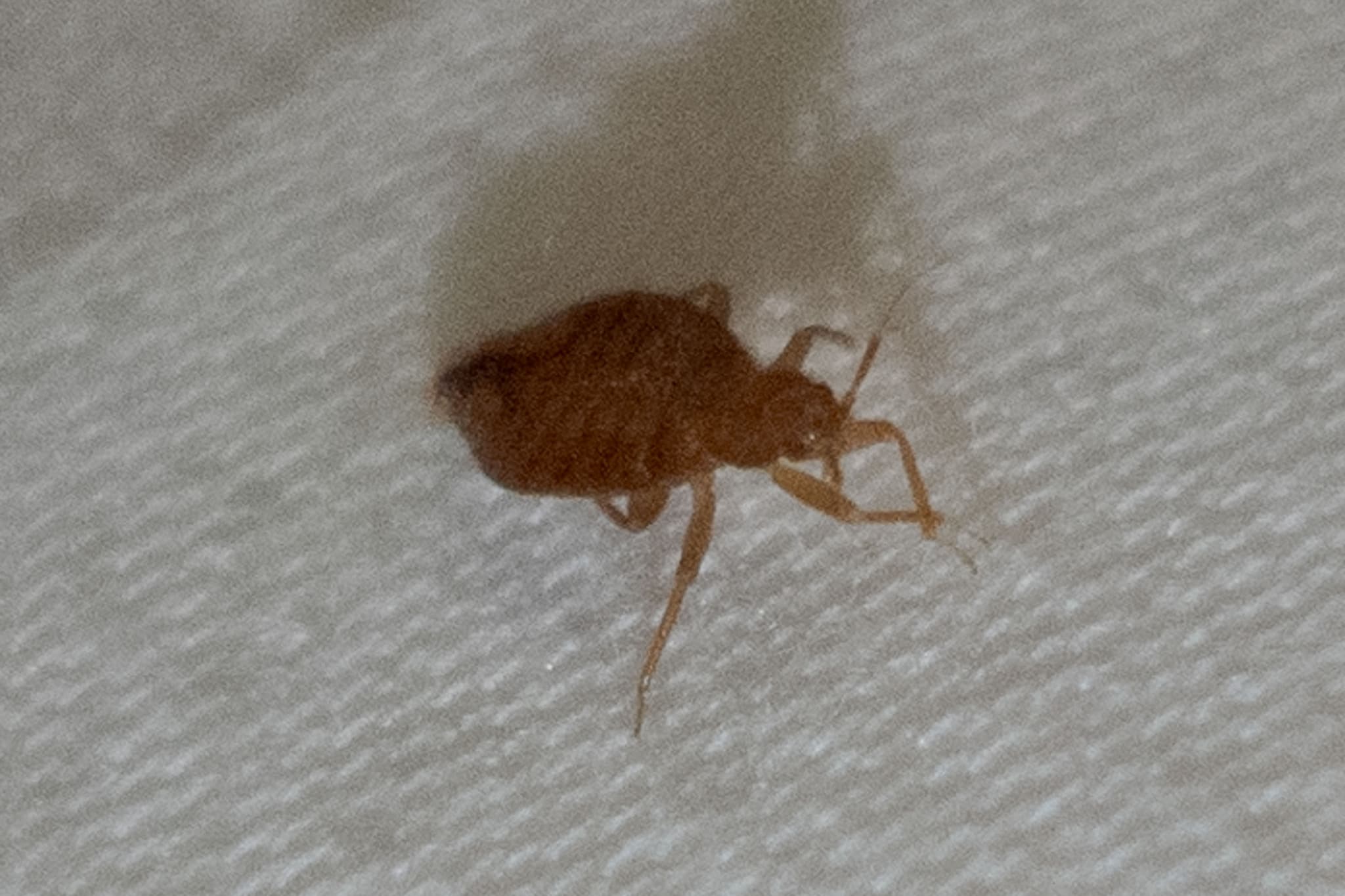
How to Check for Bed Bugs: Detection Techniques That Work Fast
Read MoreThe Manitoba Homeowner's Guide to Year-Round Pest Control
Read MoreMice Removal in Winnipeg: Fast, Safe & Effective Solutions
Read MoreHow to Check for Bed Bugs: Detection Techniques That Work Fast
Read MoreReady to fortify your property against pests?
Get your free, no-obligation quote today. Fast, reliable, and backed by our 100% satisfaction guarantee.